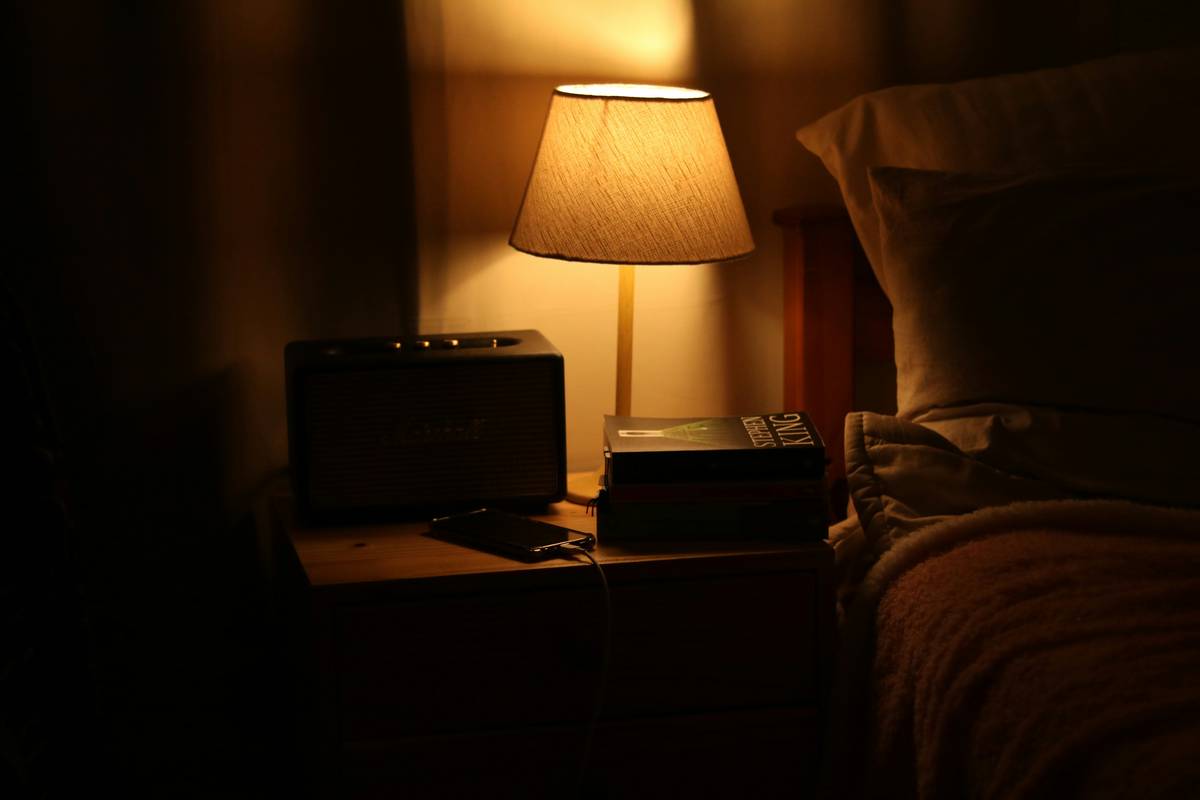
If you’ve ever stared at the ceiling at 3 a.m., counting regrets instead of sheep, you know insomnia isn’t just “trouble sleeping”—it’s a full-blown assault on your energy, mood, and health. You’re not alone: the CDC reports that 1 in 3 adults doesn’t get enough sleep regularly. This guide cuts through the noise to deliver real, science-backed answers to the question: what can help insomnia? We’ll explore root causes, practical fixes, and one terrible “remedy” I wish I’d avoided earlier.
Table of Contents
- Why Insomnia Matters (And Why Quick Fixes Fail)
- Step-by-Step Relief: Your Nightly Reset Protocol
- 5 Best Practices Backed by Sleep Science
- Real Results: What Actually Works Long-Term
- FAQs About Insomnia Relief
Key Takeaways
- Chronic insomnia often stems from lifestyle mismatches—not just stress.
- Consistency beats intensity: small, nightly habits outperform drastic overhauls.
- Blue light exposure after sunset suppresses melatonin more than caffeine for some people.
- Cognitive Behavioral Therapy for Insomnia (CBT-I) has a 70–80% success rate (American Academy of Sleep Medicine).
- Avoid “sleep effort”—trying too hard to fall asleep backfires neurologically.
Why Insomnia Matters (And Why Quick Fixes Fail)
Insomnia isn’t merely inconvenient—it’s linked to higher risks of heart disease, depression, and impaired immunity. Many turn to melatonin gummies or late-night scrolling hoping for relief, but these often mask symptoms without addressing causes like circadian misalignment or conditioned arousal (your brain associating bed with wakefulness).

I learned this the hard way. During a high-stress work sprint, I started “rewarding” myself with 2 a.m. Netflix binges. Within weeks, my body expected stimulation at bedtime—not rest. It took months of undoing that habit before my natural sleep drive returned. Don’t confuse tiredness with sleepiness; they’re not the same thing.
Step-by-Step Relief: Your Nightly Reset Protocol
1. Anchor Your Wake-Up Time
Set one consistent wake-up time—even weekends. Light exposure within 15 minutes of rising stabilizes your circadian rhythm. No snoozing.
2. Build a “Buffer Zone”
Create a 60-minute pre-bed ritual with zero screens. Try reading (physical books only), light stretching, or journaling worries into a “mental dump” notebook.
3. Recondition Your Bedroom
Only use bed for sleep and intimacy. If you’re awake >20 minutes, get up and do something quiet elsewhere until drowsy. This breaks the anxiety-sleep association.
4. Limit Evening Liquids
Reduce fluids 90 minutes before bed to minimize disruptive bathroom trips—a common but overlooked insomnia trigger.
5 Best Practices Backed by Sleep Science
- Sunlight before 10 a.m.: 15–30 minutes of morning sun boosts daytime alertness and nighttime melatonin release.
- Caffeine curfew: Stop all caffeine by 2 p.m.—it lingers in your system for 6+ hours.
- Cool room temperature: Ideal sleep environment is 60–67°F (15–19°C).
- Wind-down nutrition: A small carb-protein snack (like banana + almond butter) may aid serotonin conversion.
- Avoid “sleep effort”: Paradoxically, letting go of the *need* to sleep often invites it faster.
Real Results: What Actually Works Long-Term
John, 42, struggled with racing thoughts for years. After tracking his habits, he realized evening news consumption spiked his cortisol. He swapped it for calming podcasts and implemented strict screen curfews. Within 10 days, his sleep latency dropped from 90 minutes to 25.
In clinical trials, CBT-I (Cognitive Behavioral Therapy for Insomnia) shows 70–80% efficacy—outperforming medication long-term. Unlike pills, it teaches skills that last. Our team at Freight Quotes prioritizes evidence over trends, which is why we only recommend sustainable strategies.
FAQs About Insomnia Relief
Can natural remedies help what can help insomnia?
Some find short-term relief with valerian root or magnesium glycinate, but evidence is mixed. Always consult a doctor before mixing supplements with medications.
Does exercise improve insomnia?
Yes—but timing matters. Morning or afternoon workouts enhance sleep quality; intense evening exercise may delay sleep onset for sensitive individuals.
How long does it take to fix chronic insomnia?
With consistent behavior changes, many see improvement in 2–4 weeks. Full reconditioning can take 8–12 weeks.
Is it bad to watch TV in bed if I have insomnia?
Absolutely. Screen light disrupts melatonin, and your brain starts linking bed with entertainment—not rest. Break this habit immediately.
What’s the one thing that consistently helps what can help insomnia?
Routine. Your circadian clock thrives on predictability—same bedtime cues, same wake time, every day.
Should I track my sleep with an app?
Light tracking can reveal patterns, but obsessive monitoring increases sleep anxiety. Use data as a guide—not a judge. Review our Privacy Policy if sharing health data digitally.
If you’ve tried everything and still lie awake night after night, it’s time to talk to a professional—or reach out to us. Sometimes the best first step is a conversation. Contact us for personalized guidance.
Sleep isn’t lost—it’s waiting for the right invitation.