You’ve tried melatonin. You’ve deleted apps, bought blackout curtains, even sipped chamomile like it’s holy water. Yet 3 a.m. still finds you staring at the ceiling—pulse racing, mind spinning. This isn’t just poor sleep hygiene. Severe insomnia hijacks your nervous system. And most “solutions” ignore the real culprit: hyperarousal. Real help for severe insomnia starts not with supplements—but with rewiring your brain’s threat response.
Why Common Insomnia Fixes Fail Miserably
Sleep trackers tell you to “relax.” Doctors hand you pills that leave you groggy for days. The truth? Cognitive behavioral therapy for insomnia (CBT-I) gets mentioned in studies—but rarely prescribed in practice. And over-the-counter sleep aids? They blunt symptoms without touching the root cause: a chronically activated amygdala. Your brain thinks it’s under siege—even in a dark, quiet bedroom.
Think about it: If your body believes danger is near, no lavender spray will override that primal alarm. That’s why sleep routines collapse after Day 3. You’re fighting neurobiology with bedtime rituals. It’s like bringing a candle to a forest fire.
A Step-by-Step Protocol That Targets Hyperarousal
This isn’t about “winding down.” It’s about de-escalating your nervous system so sleep can return naturally.
Phase 1: Break the Clock-Watching Cycle
If you’re awake past 20 minutes, get up. No exceptions. Lie there ruminating, and your brain links bed with anxiety—not rest. Go to another dim room. Read (paper only). Return only when drowsy. This rebuilds the bed-sleep association within 5–7 nights.
Phase 2: Master Stimulus Control
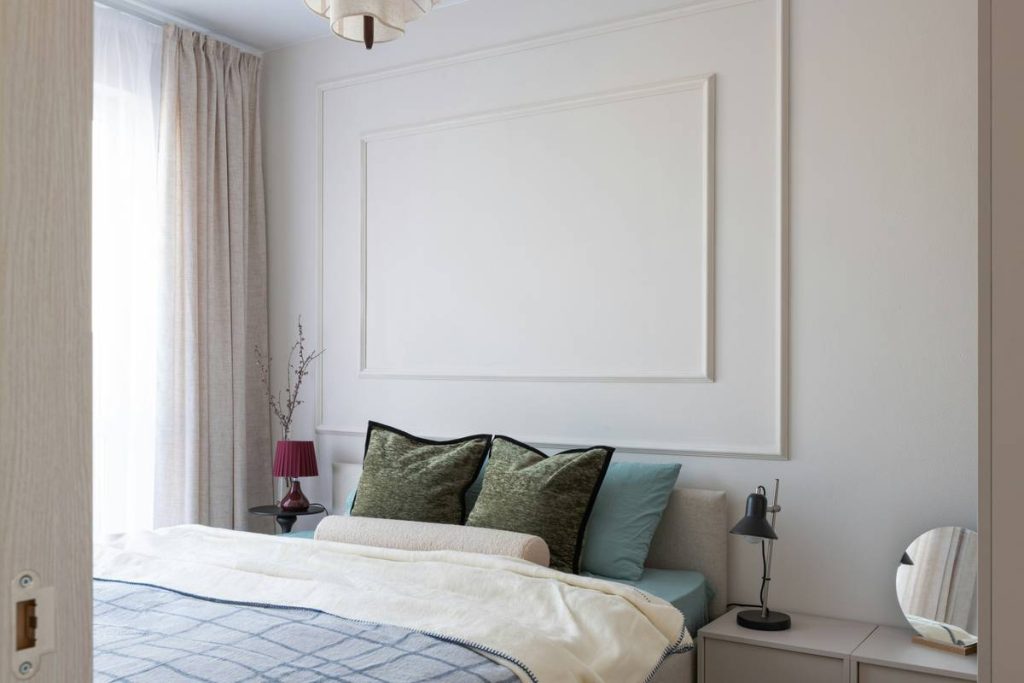
Your bedroom = sleep or sex. Nothing else. No laptops. No scrolling. No “just checking.” Violate this, and you dilute the psychological cue your brain needs to power down. Harsh? Yes. Effective? Absolutely.
Phase 3: Strategic Sleep Restriction (Not Deprivation)
Track your actual sleep time for a week. Say you average 5 hours. Set your bedtime to allow only 5 hours in bed—not 8. Counterintuitive? Maybe. But consolidating sleep pressure sharpens sleep drive. Gradually extend by 15 minutes weekly as efficiency improves above 85%.
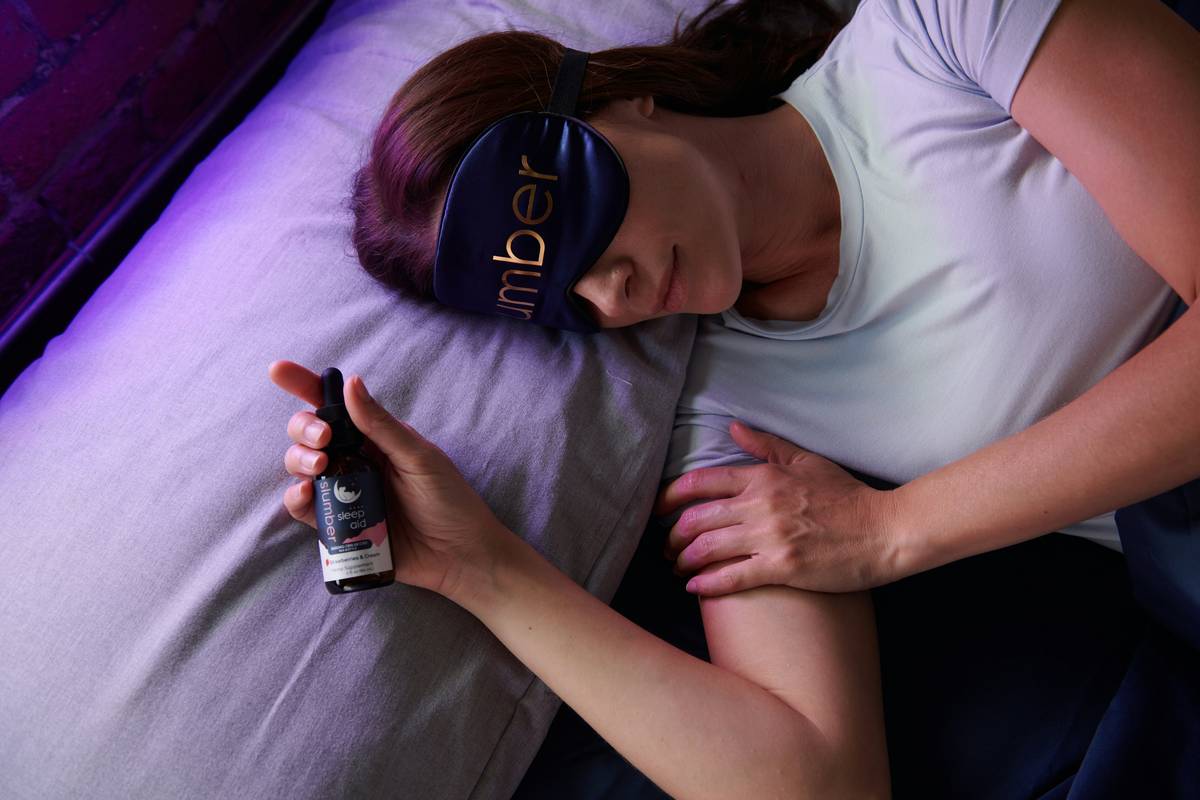
| Approach | Time to Effect | Risk of Dependency | Long-Term Success Rate |
|---|---|---|---|
| Prescription Sleep Meds (e.g., zolpidem) | Hours | High | ~20% |
| Over-the-Counter Antihistamines | 30–60 mins | Moderate | <15% |
| Melatonin Supplements | 20–45 mins | Low | 30–40% (mild cases only) |
| CBT-I + Sleep Restriction | 7–14 days | None | 70–80% |

The Industry Secret Most Sleep Clinics Won’t Admit
Here’s what sleep specialists whisper in conferences but omit from brochures: Insomnia often masks unresolved trauma or chronic stress—not poor habits. fMRI scans show insomniacs have elevated activity in the anterior cingulate cortex—the brain’s “conflict monitor.” It’s scanning for threats 24/7. Without addressing emotional safety, sleep protocols stall. The fix? Pair CBT-I with somatic practices: breathwork that lowers heart rate variability, or bilateral stimulation (like EMDR) to defuse hypervigilance. This combo isn’t mainstream—yet it’s the breakthrough for treatment-resistant cases.
But don’t expect your GP to suggest it. Insurance rarely covers integrated approaches. You’ll need to seek out specialized therapists. Worth every penny if you’ve been trapped in the insomnia loop for 6+ months.
Frequently Asked Questions
Can severe insomnia be cured without medication?
Yes. CBT-I resolves chronic insomnia in 70–80% of cases without drugs by retraining sleep-wake patterns and reducing performance anxiety around sleep.
How long does it take for sleep restriction to work?
Most see significant improvement in 10–14 days. Full remission often occurs within 6–8 weeks of consistent protocol adherence.
Is insomnia linked to anxiety disorders?
Strongly. Up to 50% of chronic insomniacs have coexisting anxiety. The hyperarousal seen in both conditions shares neural pathways—making integrated treatment essential.